전체 웹사이트 검색

How To Make Press On Nails Last

블로그 210

If you want to keep your press on nails firmly on your fingertips for 2 to 3 weeks without falling off, the secret lies not in how expensive the press on nails you bought, but in the pre-processing process. There are only two core logics: thorough deoiling and increased surface friction. First of all, you have to use the dead skin push to thoroughly clean the dead skin on the nail bed, and then use 180-purpose sand strips to gently polish the entire surface of the real nail to wear off the natural luster. After taking away every trace of moisture and grease with alcohol cotton sheets or special degreasing agents, choosing the right size is also a technical job (if the size is between the two, listen to me and choose the smaller one, which can effectively prevent edge warping). When applying glue, the back of the real armor and the wearing armor should be applied, and then it should be pressed down at an angle of 45 degrees from the finger edge, and the air should be squeezed out for 30 to 60 seconds. Finally, within 2 to 4 hours after pasting, never touch water, oil or emulsion, and leave enough time for the glue to cure thoroughly.

Finished Armor Display Images

Step 1: Fine Nail Bed Treatment

The foundation for the durability of your manicure is the surface of your real nail. Any obstacle between the glue and the nail will cause the nail to fall off prematurely. Clean up dead skin: gently push up the finger edge skin with a wooden stick or metal push. More importantly, scrape off the dead skin tissue that is “invisible to the naked eye” adhered to the nail surface. If the glue sticks to the skin instead of the nails, it will definitely become warped within a few days. Manufacturing surface friction: too smooth nails are not able to hang glue. The purpose of grinding with a 180-purpose sand bar is to create a tiny “height difference” on the nail surface “. This grinding process can greatly increase the adhesion area of the glue, forming a mechanical strong adhesion, making it difficult for the nail piece to be removed.

Step 2: Chemical Degreasing And Dewatering

Wipe the surface of your nails with an alcohol swab.

Natural oil and moisture are the “natural enemies” of nail glue “. Don’t think that your hands are clean, your nail bed will constantly secrete grease. Thorough cleaning: After polishing, wipe with a cotton-free piece dipped in 70%-90% isopropyl alcohol or professional balance solution. The “no touch” rule: once the degreasing step is completed, never touch the nail surface with your fingers. The grease that comes with your fingertips will instantly pollute your nails twice, directly destroying all the efforts you have just made, which is a big taboo in professional operation.

Step 3: Accurate Size Selection

Many candidates are very random in size, but this actually determines how long the nail can last. The principle of “better small than big”: if you wear a slightly wider press on nail, it will press on the skin or finger edge. As your fingers move, the skin will continue to squeeze the plastic nail, creating a of upward thrust, forcing it to fall off. Fit test: Make sure that the nail piece can cover the entire width from the left side wall to the right side wall and does not touch the skin. If you can’t find a perfect fit, choose a slightly larger size, and then use a sand bar to grind off the side a little to create a “private order” effect.

Step 4: Double Adhesive Coating Technology

To maintain the effect for 2-3 weeks, the gluing technique must ensure zero gap between the real nail and the nail. Double-sided application: apply a thin and uniform layer of glue on the real armor, and drop a small drop on the inside of the press on nails. This “wet-to-wet” fit produces a vacuum-like sealing effect. Cut in at a 45-degree angle: In order to avoid bubbles, aim the wearing armor at the finger edge, lower it obliquely at a 45-degree angle, and slowly flatten it towards the fingertip. This action can drive the air out along the fingertips. Steady Pressing: Each tablet must be pressed with a steady force for 30 to 60 seconds. Make sure the glue is evenly distributed and there are no tiny gaps.

Step 5: After The “Curing” Window Period

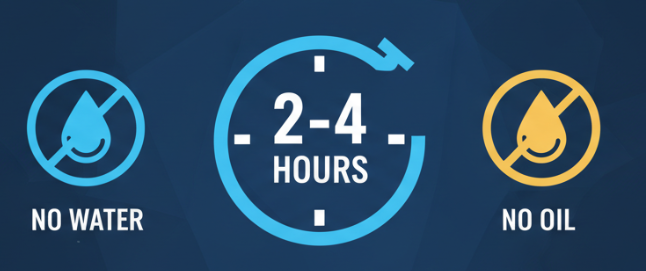
Water and oil droplets are prohibited for 2-4 hours.

The bonding of glue is not instantaneous, it takes time to physically crystallize and harden. Avoid water and oil: For the first 2 to 4 hours after pasting, it is strictly forbidden to wash hands, bathe or apply finger oil. Moisture will penetrate into the glue layer that is not completely dry, weakening the viscosity, while grease will dissolve the glue before it reaches its maximum strength.

저자: 저자 사라 젠킨스

Hi, I’m a professional nail technician and DIY manicure enthusiast with over 8 years of experience in the beauty industry. I’ve spent years testing adhesives and prep methods to solve the complaint in the community: nails popping off too soon. My mission is to share the ‘science of prep’—focusing on surface friction and dehydration—to help you achieve a flawless, salon-quality manicure at home that truly stays put for weeks.

이전: