 FSM-Nail


Search the entire website
Search
Search the entire website
To maximize the life of your nails and protect the health of your nail bed, you must establish a daily habit of “deep nourishment” and “physical protection”: apply high-quality finger oil and nourishing hand cream at least twice a day, which can keep the nail polish tough and prevent it from cracking and falling off.
It’s also important to wear rubber gloves when doing housework to keep your nails away from long soaks of powerful chemicals and water-which, are often the main cause of premature nail breakup. The most important point is that if the nail polish starts to become warped, never tear it. You can first use a fine sand file to gently smooth the edges and hold up until the next appointment for professional removal. As long as the balance of water supplement and daily protection, your manicure can not only maintain more than three weeks of “salon grade” texture, but also ensure that the nail will not become thin or damaged.
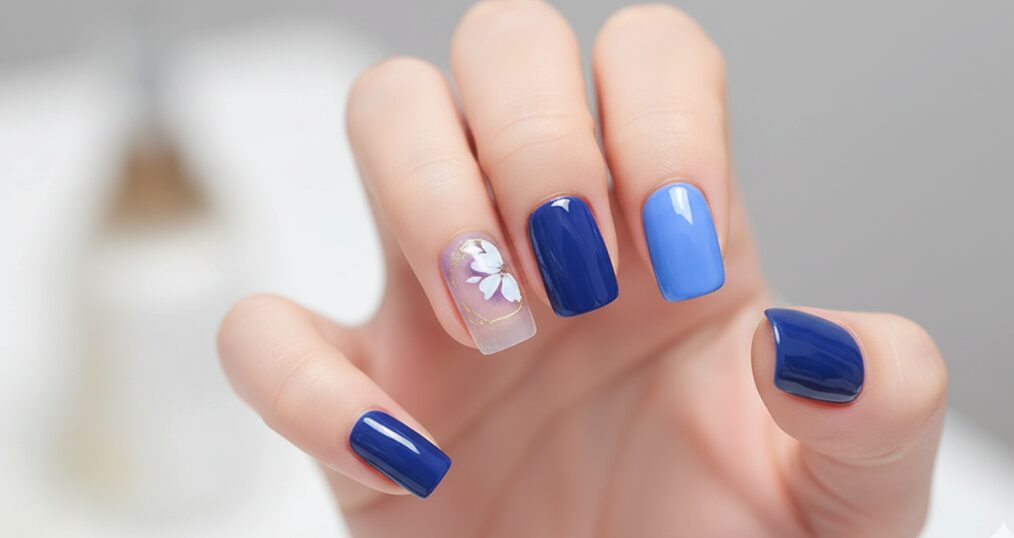
The foundation of nail art post-care is moisture. Polish gel is different from traditional nail polish. It requires a certain degree of flexibility to resist cracking. When the nail surface and the nail polish glue layer become too dry, they can become brittle, causing the nail to “scrap” prematurely “.
Finger-edge oil twice a day: Pick high-quality products that contain jojoba oil or vitamin E. The reason why I admire jojoba oil is that its molecular structure is small enough to penetrate into the nail surface, even in the case of manicure, it can keep the underlying nail moist.
Use Nourishing Hand Cream: Apply a thick layer of hand cream after applying oil. This creates a protective barrier to lock in moisture, ensuring healthy skin around the nail and keeping you away from the kind of distressed barbs.
Many manicures fall off in advance, because living habits are too rough. In daily cleaning and housework, nails are in a very fragile state.
“Rubber gloves” rule: repeated contact with water nails will expand and shrink, which will directly destroy the adhesion between the nail and nail polish. The chemical composition in the detergent and laundry detergent will make the polish gel lose its luster. Be sure to wear gloves when washing dishes, wiping the table or washing clothes.
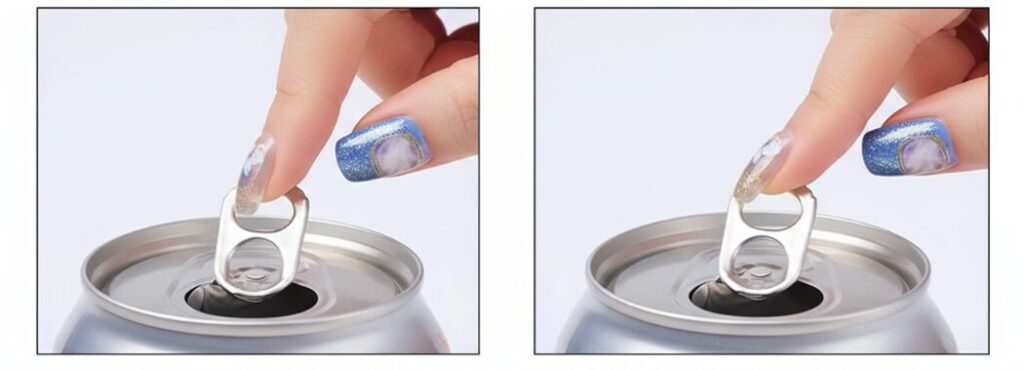
Don’t use your nails as tools: Many people are used to using their nails to pry cans or tear labels. This is a nightmare for nail art. This physical pressure can produce tiny cracks that eventually evolve into a crumpled armor.
After two or three weeks of manicure, it is inevitable that the edges will slightly rise. Your handling directly determines your life span.
Why never tear: When you tear off the warped nail polish, you tear off not only the color, but also the defensive layer on the surface of your own nail. This can lead to thinning nails, white spots, and even extreme sensitivity.
Safe emergency plan: if a corner is tilted up and your hair is hooked, don’t drag it with your hands. Take fine sand file and gently sand that edge until it is smooth and out of the way. This will prevent the situation from getting worse and help you to stay firmly until you return to the salon.
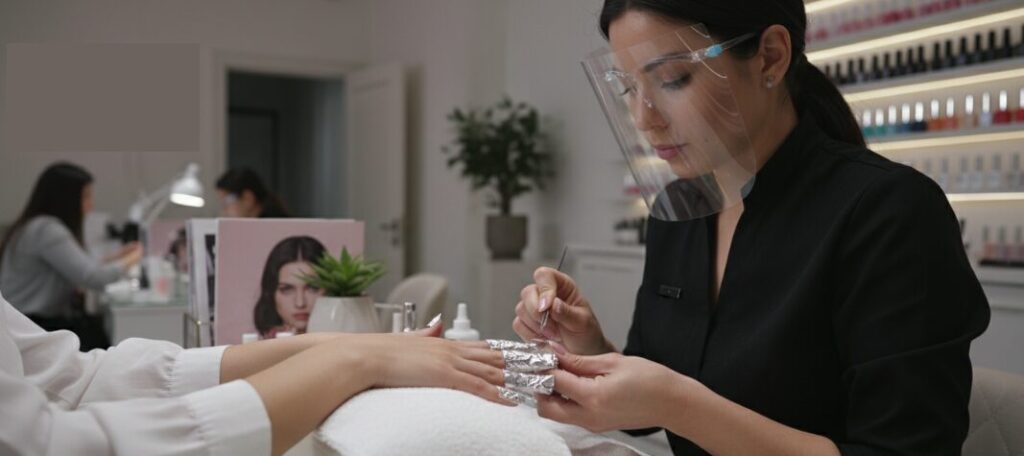
The last step in nail care is knowing when to let go and how to say goodbye gracefully. In order to maintain the integrity of the nails, professional removal is essential.
Professional Soak-Off: Make sure your nails are removed by professional nail polish remover. This process can gently break the chemical bonds of the polymer without the need to violently scrape off the nail surface.
The final reward: as long as you are willing to take this effort to maintain, you will always have the advanced feeling that you have just left the salon, and your armour will always remain strong and thick, ready for the next set of bright designs at any time.
Author: Sarah Miller
After years of working in professional nail salons, I’ve seen firsthand why even the best manicures fail prematurely. My mission is to bridge the gap between salon technique and at-home maintenance. I’ve helped thousands of clients transform their nail health by teaching them that “salon-grade” results aren’t just about the appointment—it’s about the daily habits of nourishment and protection. I believe every set of nails should be treated like jewelry, not tools, and I’m dedicated to sharing the secrets that keep your manicure strong, healthy, and beautiful for weeks on end.